Woman Reading a Book: A Designer's Review for Real Projects
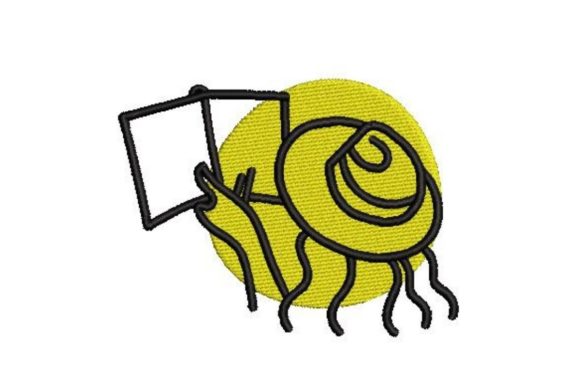
As someone who spends more time staring at stitch maps than most people spend on their phones, I approach every new machine embroidery design with a mix of excitement and skepticism. We've all been there: you download a file that looks stunning in the software preview, only to find it turns into a bird's nest of thread breaks and puckering once it hits the fabric. That is why I took a close look at the Woman Reading a Book design before committing it to any client work or personal projects. This isn't just about whether it looks cute; it is about whether it holds up under the needle and adds genuine value to a handmade product.
The first thing that strikes me about this design is its mood. In a market saturated with loud, flashy graphics, there is something quietly sophisticated about a figure absorbed in a story. The description mentions a "beautiful linen design," which suggests an aesthetic that leans toward texture and simplicity rather than heavy, dense saturation. For a designer, this is promising. It implies a layout that respects the fabric rather than trying to completely cover it. The visual personality here feels literary, calm, and slightly vintage, making it an excellent candidate for projects that aim for a boutique or artisanal feel rather than mass-produced sportswear.
Putting the Design to the Test: A Real-World Scenario
To truly evaluate the Woman Reading a Book embroidery file, I imagined a specific real-life scenario that many of us face: a custom order for a local independent bookstore. They wanted a run of tote bags and aprons for their staff, something that signaled "quiet contemplation" rather than "loud branding." This is where the design shines. When I visualized this motif on a natural canvas tote bag design, the lines of the woman and the book seemed to complement the weave of the fabric perfectly.
Unlike some overly complex files that require high-density fill stitch work which can make a bag stiff and uncomfortable to carry, this design appears to rely on a balance of satin stitch outlines and strategic filling. This balance is crucial for custom apparel like aprons or sweatshirts. If the stitch density is too high on a garment that needs to drape or stretch, the result is a cardboard-like patch that cracks after a few washes. My assessment is that this design, with its likely emphasis on flow and negative space, would perform exceptionally well on medium-weight fabrics like cotton twill or linen blends, offering a soft hand-feel that customers appreciate.
Versatility Across Product Categories
One of the strongest assets of the Woman Reading a Book motif is its adaptability. While the product category is listed under Games—perhaps suggesting a whimsical or hobbyist angle—the application extends far beyond playful items. Here is how I see it fitting into various embroidery project types:
- Baby Embroidery: The gentle nature of the image makes it perfect for nursery decor, such as pillow covers or blanket corners. It avoids harsh colors or aggressive shapes, suiting a calming sleep environment.
- Holiday Embroidery: Imagine this stitched onto a kitchen towel or a tea towel as a gift for a teacher or a librarian during the holiday season. It feels personal and thoughtful without being overly seasonal.
- Sweatshirt Embroidery: Placed on the left chest or as a larger back piece on a crewneck, this design elevates a basic garment into a statement piece for book clubs or literary festivals.
- Embroidered Patch: Because the subject is self-contained, it would digitize beautifully into a patch format, allowing for easy application on caps or backpacks.
For Etsy sellers and small shop product creators, this versatility is gold. It allows you to create a cohesive brand collection using a single design asset across multiple price points, from low-cost accessories to higher-end home goods.
Technical Considerations and Potential Pitfalls
However, no review is complete without discussing where things could go wrong. Even the most beautiful design can fail if placed on the wrong substrate. With the Woman Reading a Book design, attention must be paid to fabric texture. If the source file utilizes fine running stitch details to depict the pages of the book or the folds of the woman's clothing, these could get lost on highly textured fabrics like thick wool or looped terry cloth. In those cases, the details might merge, reducing the clarity of the image.
Furthermore, consider the hoop size constraints. If you are working on curved surfaces like caps or visors, the frame area is limited. You need to ensure the design scales down without losing its definition. Tiny details in the book's spine or the woman's facial features could become indistinguishable if resized too small. It is also vital to consider thread colors. On dark fabrics, this design might require a substantial underlay or even a backing layer to prevent the base fabric from showing through lighter thread colors, which can alter the intended "linen" aesthetic.
Another critical factor is the stabilizer. Given the likely mix of stitch types, using the correct stabilizer is non-negotiable. For stretchy fabrics like t-shirts, a cut-away stabilizer is probably necessary to prevent distortion over time, whereas a tear-away might suffice for stable woven tote bags. Skipping this step could lead to puckering, ruining the professional look of the finished product.
Enhancing Brand Value and Customer Trust
From a business perspective, the choice of design directly impacts brand consistency and customer trust. Using a high-quality, well-thought-out motif like Woman Reading a Book signals to your buyers that you care about aesthetics and quality. It moves your items away from generic, clip-art-style merchandise toward curated, artistic goods. This perception increases the perceived value of your personalized gift or commercial embroidery item, allowing for better pricing power.
When customers see a clean, crisp stitch-out with no loose threads or registration errors, they associate that quality with your entire brand. Conversely, a design that stitches out poorly can damage your reputation quickly. Therefore, treating this file as a serious component of your inventory is key. Whether you are creating printable mockups for your online store or physical samples for a craft fair, the professionalism of the stitch-out matters.
Final Verdict and Designer Notes
Before you dive into production with the Woman Reading a Book design, here are my practical recommendations for ensuring success:
- Test on Scrap Fabric: Never run a new file on your final product first. Stitch it on the exact same fabric and stabilizer combination you plan to use for the sale.
- Check Contrast: Review how the thread colors interact with your fabric choice. A low-contrast test on a similar colored fabric can reveal if details disappear.
- Inspect Density: Look closely at the book area. If it seems too dense, you may need to adjust pull compensation or switch to a lighter weight thread.
- Verify Licensing: The description notes it comes in multiple formats and can be used, but always confirm the specific license terms regarding commercial embroidery and digital resale before selling finished items.
- Mockup Testing: Create black-and-white mockups to ensure the design reads well even without color, which is a good test of its structural integrity.
In conclusion, the Woman Reading a Book design offers a charming and versatile option for designers looking to add a touch of literary elegance to their portfolio. Its potential applications in Games themed items, home decor, and custom apparel are vast, provided the technical aspects of stitching are respected. By approaching this digital embroidery file with a critical eye and a commitment to quality testing, you can transform a simple pattern into a standout product that resonates with book lovers and design enthusiasts alike. Happy stitching!