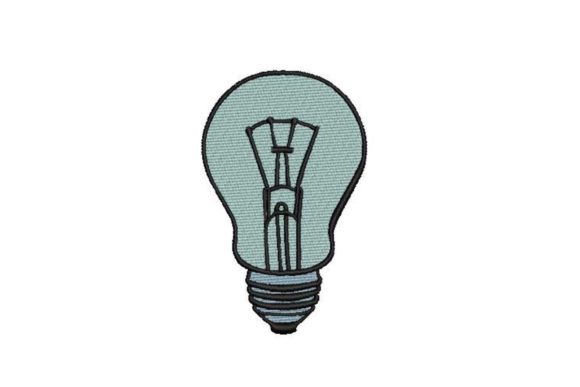
Light Bulb Embroidery: A Designer's Review for Real Projects
There is a specific kind of satisfaction that comes from reviewing a machine embroidery design that balances simplicity with strong visual impact. As someone who spends hours digitizing, stitching out test runs, and advising small business owners on what sells, I approach every new file with a critical eye. Recently, I took a closer look at the Light Bulb design. At first glance, it seems straightforward—an icon we all recognize instantly. But in the world of Embroidery, simple shapes often present the biggest challenges regarding stitch density, clarity, and how the final image translates onto different fabric textures.
The mood this design creates is one of clarity and innovation. It naturally evokes themes of inspiration, bright ideas, and modern technology. Visually, the layout feels balanced, avoiding unnecessary clutter while maintaining enough detail to be recognizable even when scaled down. This visual personality makes it incredibly versatile. It doesn't scream for attention; instead, it sits comfortably as a focal point or a subtle accent, depending on how you choose to execute it.
Putting the Design to the Test: A Real-World Scenario
To truly evaluate an embroidery file, you have to move beyond the digital preview and imagine it on a physical product. Let's say you are preparing a custom order for a local co-working space or a tech startup. They want branded tote bags for an upcoming conference. The Light Bulb is a perfect candidate here. I envisioned stitching this onto a heavy canvas tote bag design. On a sturdy, woven fabric, the lines of the bulb hold their shape well. The contrast between the thread and the natural canvas creates a crisp, professional look that speaks to creativity without being overly playful.
However, the real test came when I considered a softer application, like a heather grey sweatshirt embroidery project for a casual boutique line. Here, the design shines in a different way. The curves of the bulb complement the relaxed drape of the fleece. If you are an Etsy seller looking to expand your catalog beyond generic quotes, this symbol offers a timeless graphic element. It works exceptionally well for "teacher appreciation" gifts (lighting the way), baby showers (bright little ideas), or even holiday gifts for the inventor in your life. The universality of the symbol means your potential customer base is wide, but the execution determines whether it feels like a premium handmade product or a generic craft fair item.
Technical Performance and Fabric Considerations
While the concept is solid, the technical execution requires some thoughtful planning. When working with any icon that relies on clear outlines, stitch density becomes a major factor. If the design utilizes a heavy fill stitch for the glass portion of the bulb, it might become too rigid on stretchy fabrics. In my assessment, this design would benefit from a mix of techniques. A satin stitch border can define the shape sharply, while a lighter fill or even strategic running stitch detailing can keep the hand of the fabric soft.
You must be cautious when placing this on textured fabrics. If the material has a deep pile, like a thick towel or a plush blanket, fine details might get lost. The "filament" inside the bulb, which is often a delicate zig-zag or thin line in these types of designs, needs sufficient space to breathe. On dark fabrics, ensure your thread colors provide enough contrast. A white or electric yellow thread against navy or black looks striking, but if the design relies on subtle shading, it may disappear into the background.
Another critical area is the hoop size. While the description suggests it fits easily into various projects, always check the dimensions before committing. If you are aiming for a tiny chest logo on a polo shirt, ensure the smallest details remain distinct. Conversely, if you are creating a large back patch, verify that the digitizing supports scaling up without pixelation or awkward stitch jumps. For curved surfaces like caps, the center of the bulb should align with the highest point of the crown to prevent distortion.
Enhancing Brand Value and Customer Appeal
From a business perspective, the Light Bulb adds immediate recognition value. For commercial embroidery clients, branding is everything. This design communicates intelligence and energy. When used consistently across a line of custom apparel or accessories, it builds brand consistency. Imagine a series of kitchen towels for a home goods shop; adding this motif transforms a standard textile into a themed collection about "brightening up the home."
The perceived value of the finished product increases when the stitching is clean. Customers trust handmade items that show attention to detail. If the corners of the screw base are crisp and the thread tension is even, the item feels expensive. This design is particularly effective for personalized gift markets. Adding a name in a complementary font below the bulb creates a custom feel that mass-produced prints cannot match. For digital product sellers, this asset is gold for creating printable mockups that showcase versatility without needing complex photography setups.
Essential Notes for the Professional Maker
Before you load this into your machine for a client order, there are several practical steps you should take. First, always test the design on scrap fabric that matches your final project. This allows you to check for puckering and adjust your stabilizer choice accordingly. A cut-away stabilizer is often safer for garments that will be washed frequently, ensuring the design doesn't distort over time.
Review the stitch count and density settings in your software if you have the ability to edit. Sometimes, reducing the density slightly can improve the drape on lightweight fabrics. Check the small details, specifically where different color blocks meet. Ensure there are no long jumps that could snag later. It is also wise to test the design in a black-and-white mockup to see if the contrast holds up without relying on color cues.
Finally, consider the licensing terms. While the design is described as having many creative uses, confirm whether it is cleared for commercial embroidery projects if you intend to sell the finished goods. Some files are for personal use only, while others allow unlimited sales of physical items. Clarifying this protects your craft business from legal issues down the road. Whether you are decorating a single apron or producing a run of fifty shirts for a local event, the Light Bulb offers a reliable, stylish foundation. With the right fabric pairing and technical prep, it transitions from a simple digital file to a standout element in your portfolio.