Chocolatier at Work: A Designer's Review for Real Projects
As an embroidery designer who spends more time staring at stitch maps than most people spend watching television, I am always cautious about new downloads. When I stumbled upon Chocolatier at Work on Creative Fabrica, my initial reaction was a mix of curiosity and professional scrutiny. The title suggests a bustling kitchen scene or perhaps a detailed portrait of a confectioner, but in the world of machine embroidery design, titles can sometimes be misleading. After reviewing the files and considering how this embroidery file would perform on actual customer orders, I wanted to share an honest evaluation for fellow crafters, Etsy sellers, and boutique owners.
First Impressions: Visual Mood and Stitch Personality
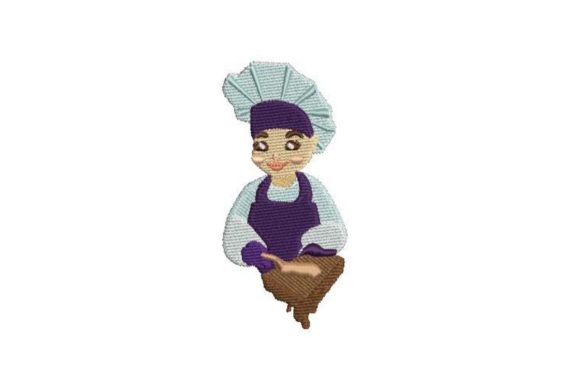
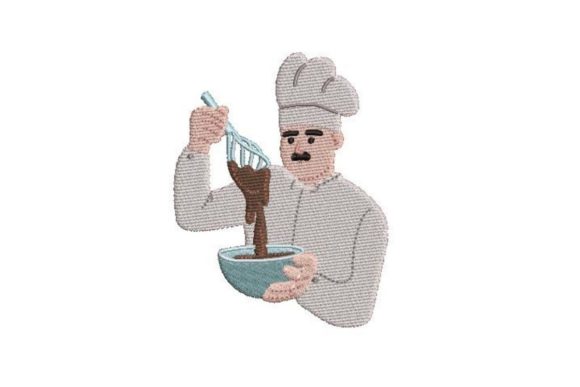
The first thing that strikes you about Chocolatier at Work is its thematic warmth. It captures the essence of culinary passion, making it an ideal candidate for anyone looking to celebrate the art of cooking. Visually, the design carries a decorative appeal that feels both professional and inviting. For a designer, the "stitch personality" is crucial—does it look like a block of thread, or does it have flow? This design appears to balance detail with clarity. It avoids the trap of being so intricate that it becomes a bird's nest of thread breaks, yet it retains enough character to stand out as a focal point on a garment.
The mood is distinctly artisanal. It speaks to the heart of the handmade product market, where customers are increasingly seeking items that tell a story. Whether it represents a specific chef or the general love for creating sweets, the imagery fits naturally into the current trend of cottage-core aesthetics and personalized kitchenware. It is not just a generic icon; it feels like a narrative piece, which is exactly what drives engagement in today's saturated marketplace.
Real-World Application: Where This Design Shines
When I evaluate a Creative Fabrica embroidery asset, I immediately start mentally placing it on various substrates. Chocolatier at Work is versatile, but it truly shines on specific items. Imagine a high-quality linen tote bag design for a local bakery or a farmer's market vendor. The earthy tones often associated with chocolate themes pair beautifully with natural canvas or heavy cotton.
For custom apparel, this design is a strong contender for sweatshirt embroidery. A cozy hoodie featuring this motif could be a best-seller for culinary students or baking enthusiasts. It also works exceptionally well on aprons, transforming a standard kitchen tool into a statement piece. If you run a shop selling personalized gift items, consider stitching this onto a high-end kitchen towel or a pillow cover for a housewarming present. The subject matter is universal enough to appeal to a broad audience but specific enough to feel bespoke.
Furthermore, for those creating embroidered patch products to sell at craft fairs, this design offers a great opportunity. Patches are low-risk, high-reward items, and a well-executed chocolatier theme could attract buyers looking to customize their own jackets or bags. The key here is the "finished product" look; if the stitching is clean, the perceived value of the item skyrockets.
Technical Considerations for Professional Results
However, enthusiasm must be tempered with technical reality. Before committing to a production run, there are several factors to consider regarding how Chocolatier at Work performs under the needle. One critical aspect is stitch density. Designs with thematic depth often utilize dense fill stitch areas to create shading and dimension. While this looks beautiful, it can cause puckering on lightweight or stretchy fabrics. If you plan to use this on a thin t-shirt or a delicate baby blanket, you must test on scrap fabric first.
Hoop size is another variable. Although the product description mentions compatibility with multiple formats, you must verify the dimensions against your machine's capabilities. If the design is large, it might require a jumbo hoop, which limits the types of garments you can decorate, such as caps or sleeves. Speaking of caps, embroidering on curved surfaces requires careful hooping and potentially a different approach to stabilizer usage. If the design includes fine details or tiny lettering (common in "at work" scenarios), these may not translate well on textured fabrics like terry cloth towels or coarse canvas without proper stabilization.
Thread choice is paramount. To maintain the visual integrity of the chocolatier theme, you will need a robust palette of browns, creams, and perhaps accent colors for uniforms or tools. Check the thread colors suggested in the file against your inventory. On dark fabrics, you may need to adjust the underlay or use a lighter top thread to ensure the design pops, whereas on light fabrics, contrast stitching might be necessary to define edges. Always inspect small details after stitching a test sample; look for pull-compensation issues where the fabric might show through gaps in the satin stitch or fill areas.
Enhancing Brand Value and Customer Trust
From a business perspective, the right design asset can significantly impact your brand consistency. Using a high-quality image like Chocolatier at Work helps establish a reputation for professionalism. When customers see crisp, well-defined stitching, their trust in your handmade shop increases. This translates directly to buyer trust and repeat business.
Moreover, the visual appeal of this design aids in product photography. A well-stitched apron or tote bag photographs beautifully for Instagram or Etsy listings, driving higher customer engagement. It serves as a powerful marketing tool, allowing you to create printable mockup images that look realistic and enticing before you even stitch the first thread. For commercial embroidery businesses, offering a unique, thematic design sets you apart from competitors using the same generic stock images.
Final Verdict and Practical Advice
In conclusion, Chocolatier at Work is a promising addition to any digital library, particularly for those specializing in kitchen textiles, culinary apparel, or gift items. Its strength lies in its thematic relevance and potential for high-quality presentation. However, success depends on execution. Do not assume the file is perfect out of the box. Always review the digital embroidery file details on the Creative Fabrica product page. Confirm the license terms to ensure you are compliant for commercial embroidery sales, as licensing can vary between designers.
Remember to use the proper stabilizer for your chosen fabric, whether it is cut-away for stretchy materials or tear-away for stable wovens. Test on scraps, check your tension, and ensure your hoop size accommodates the design without distortion. If the product description notes "multiple embroidery file formats," take advantage of this to choose the version best suited for your specific machine brand.
Ultimately, this design has the potential to elevate your finished product line, turning simple items into cherished keepsakes. With careful attention to technical details and a focus on quality materials, Chocolatier at Work can be a profitable and satisfying project for your next collection.