Three Leaf Clover: A Minimalist Gem for Everyday Embroidery
As a designer who spends more time staring at stitch maps than most people spend looking at their phones, I approach every new machine embroidery design with a mix of optimism and skepticism. We've all been there: a file looks perfect on the screen, but once it hits the hoop, the density is off, or the details vanish into the fabric texture. That's why I was genuinely interested to put the Three Leaf Clover through its paces. This isn't just another floral graphic; it's a study in simplicity that promises versatility for everything from boutique apparel to home decor.
First Impressions: Clean Lines and Quiet Confidence
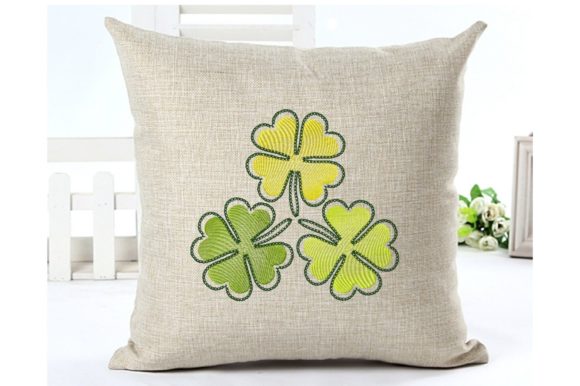
When you first load the Three Leaf Clover into your digitizing software or preview it in your machine's interface, the immediate takeaway is clarity. In the world of Single Flowers, it is easy to get lost in overly complex petals and excessive satin stitching that creates bulk. This design avoids that trap entirely. It feels modern and understated, relying on strong shapes rather than frantic detail to make its statement.
The visual personality here is friendly but professional. It doesn't scream for attention, which is exactly what makes it so useful for commercial projects. Whether you are branding a line of organic cotton tote bags or adding a subtle touch to a customer's custom sweatshirt, this motif integrates seamlessly without overpowering the base material. The layout suggests a balanced distribution of fill stitch and potential running stitch outlines, creating a texture that looks hand-crafted yet precise.
Real-World Application: From Mockup to Finished Product
To truly evaluate an embroidery file, you have to imagine it in a real-life scenario. Let's say you are an Etsy seller preparing for the spring rush. You need a design that works across multiple product categories without requiring constant thread changes or complex hooping setups. The Three Leaf Clover shines here.
I envisioned using this for a run of personalized kitchen towels. Because the design is described as simple, it likely handles well on waffle weave or linen textures where dense designs might sink in or look messy. Imagine stitching this in a crisp white or sage green thread against a natural beige towel. The result is a high-end, boutique feel that elevates a standard household item into a giftable handmade product.
Another strong use case is custom apparel. Picture a left-chest logo on a navy blue polo or a structured cap. The three-leaf shape is compact enough to fit comfortably in smaller areas without losing definition. For a craft business owner, this means you can offer personalization—perhaps adding a monogram below the clover—without worrying about the design clashing with the text. It serves as an excellent anchor for printable mockups, allowing you to create compelling digital previews for your online shop that accurately represent the final stitched look.
Navigating Fabric Challenges and Stitch Density
While simplicity is a strength, it also demands precision. When working with a design like Three Leaf Clover, the margin for error regarding stitch density and fabric choice becomes critical. If the digitizer has opted for a very light fill, this design might struggle on stretchy fabrics like jersey knits unless you use the right stabilizer. I would strongly advise testing this on a scrap piece of your intended fabric first.
For baby embroidery projects, such as a onesie or a nursery blanket, softness is key. If the design relies heavily on dense satin columns, it could feel stiff against sensitive skin. However, if it utilizes a lighter fill or incorporates applique design techniques (which you should verify in the file details), it could be perfect for infant wear. Always check the stitch count and density settings before committing to a production run.
Dark fabrics present another consideration. A simple shape relies entirely on the contrast between the thread and the background. If you are stitching this onto black denim for a tote bag design, ensure your thread colors are vibrant enough to pop. Muted tones might get lost, reducing the visual impact of the clover. Conversely, on light fabrics, ensure the outline stitches are tight enough to prevent the fabric from peeking through gaps, which can happen with larger fill areas.
Where to Use Caution
- Curved Surfaces: While great for flat items, be careful hooping this for caps. The curvature can distort simple geometric shapes, making the leaves look uneven.
- Textured Fabrics: On heavy terrycloth or thick wool, fine details might get swallowed up. This design is best suited for medium-weight cottons, linens, and stable blends.
- Frequent Washing: If this is going on a dining rug or an apron meant for heavy use, inspect the perimeter stitching. Ensure there are no loose tie-offs that could unravel after multiple wash cycles.
- Small Hoop Sizes: Although the design is simple, confirm the minimum hoop size required. Don't assume it fits in a 4x4 hoop just because it looks small on screen; account for the frame margins.
Commercial Value and Brand Consistency
For small shop product lines, consistency is currency. The Three Leaf Clover offers a level of professionalism that builds customer trust. It doesn't look like a generic clip-art conversion; it feels intentional. When used as part of a broader collection of Single Flowers, it helps establish a cohesive brand aesthetic. Customers recognize quality when the stitching is clean and the design choices feel deliberate.
This design also holds significant value for digital embroidery file sellers. Its versatility means it appeals to a wide audience, from hobbyists looking for a quick project to commercial embroidery shops needing reliable assets for client work. However, before selling finished items or the file itself, you must verify the licensing terms. Just because a design comes in multiple formats doesn't automatically grant commercial rights. Always read the specific license agreement included with the download.
Final Verdict: A Staple for the Modern Maker
In my evaluation, the Three Leaf Clover stands out as a practical, reliable asset for any embroiderer's library. It bridges the gap between decorative flair and functional minimalism. It is the kind of design you reach for when you need something that says "thoughtful" without saying "loud."
Whether you are creating a holiday embroidery gift, launching a new line of embroidered patches, or simply sprucing up your own home with a new pillow cover, this design delivers. It respects the limitations of the machine while maximizing the beauty of the thread. My advice? Download it, stitch a test sample on your most challenging fabric, and see how the interplay of light and shadow brings those three leaves to life. With the right thread colors and a bit of preparation, this simple clover can become the signature element of your next successful embroidery project.
Remember, the success of any finished product lies in the details. Check your tension, choose your stabilizer wisely, and let the clean lines of the Three Leaf Clover do the rest. It is a reminder that in Embroidery, sometimes less truly is more.