Mittens Embroidery: A Designer's Review for Craft Fair Success
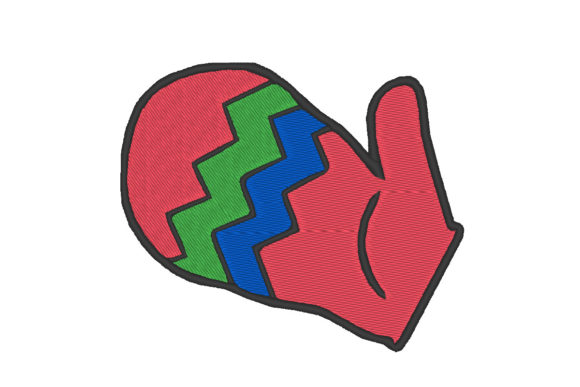
As an embroidery designer preparing for the upcoming weekend craft fair circuit, my table strategy is everything. I am not just stitching; I am curating a collection that needs to stop scrolling thumbs online and halt walking feet in person. Today, I am putting the Mittens machine embroidery design under the microscope. This isn't just about whether it stitches out well; it is about whether it sells. Based on the product description promising a "pop of color and beauty," I am evaluating how this Accessories category staple translates into a profitable handmade product line.
First Impressions: The Vibe of Mittens
When I first loaded the digital embroidery file to preview it on my screen, the immediate feeling was one of cozy nostalgia. The title Mittens suggests a winter theme, but the description hints at versatility. In a booth filled with rustic farmhouse goods or modern minimalist wares, this design feels like a bridge. It has the potential to be cute without being childish, and festive without screaming "holiday only." For a craft fair seller, this mood is gold. It appeals to the buyer looking for a gift that feels personal and warm. The promise of multiple embroidery options within the file suggests flexibility, which is crucial when trying to match various fabric textures and customer preferences.
Product Applications: Where Mittens Shines
The real test of any embroidery file is its adaptability across different substrates. Here is how I see Mittens performing on my planned inventory:
- Tote Bags and Market Bags: This is likely the strongest contender. A large-scale version of Mittens centered on a canvas tote creates an instant tote bag design that screams "winter market run." The pop of color mentioned in the description will stand out beautifully against natural cotton or deep navy fabrics.
- Aprons and Tea Towels: For the kitchen section of my booth, apron embroidery and tea towel embroidery are high-volume sellers. Placing the design on the bib of an apron or the corner of a linen towel adds a touch of whimsy. However, I need to be mindful of the fabric texture; looped towels can sometimes swallow small details.
- Embroidered Patches: Creating standalone patches is a fantastic way to utilize this design. An embroidered patch featuring Mittens allows customers to buy a low-cost item they can iron onto their own jackets later. This expands my reach beyond just finished goods.
- Caps and Pouches: While possible, these require caution. The curved surface of a cap can distort the image if the stitch density is too high. Similarly, small pouches need a scaled-down version that retains clarity.
- Pillow Covers: As a home decor item, a pair of mittens embroidered on a pillow cover offers a seasonal refresh for customers. It feels premium and decorative.
Visual Appeal and Customer Engagement
In a crowded craft fair aisle, visual hierarchy is key. Does Mittens grab attention? If executed with high-contrast thread colors, absolutely. The shape is universally recognizable, meaning a customer understands the design at a glance from three feet away. This immediacy is vital for impulse buys. When photographing these items for my Etsy seller account, the design offers excellent opportunities for lifestyle shots. Imagine a pair of hands wearing actual mittens holding a mug next to a tote bag featuring the Mittens embroidery. These printable mockup scenarios create a narrative that boosts perceived value.
Furthermore, consistency builds brand trust. Using Mittens across a cohesive color palette in my booth—perhaps sticking to cool blues, crisp whites, and warm reds—creates a strong visual identity. It tells the customer that this is a thoughtfully curated small shop product, not just random items thrown together.
Production Realities and Careful-Use Notes
Before committing to batch production, a professional designer must address the technical hurdles. While the description is enthusiastic, it lacks specific technical data. Here are the critical factors I am investigating before hooping up:
- Stitch Density and Fabric: If the design has dense stitch areas, it may cause puckering on lightweight fabrics like silk or thin cotton blends. I will need to adjust my stabilizer choice accordingly, perhaps opting for a cut-away for durability on frequently washed items like tea towels.
- Small Details: Does the design rely on tiny satin stitches to define the mitten cuffs or patterns? On textured fabrics like terry cloth towels, these fine lines might get lost. I must test on scrap fabric first.
- Curved Surfaces: For caps, the center of the design must be balanced. If Mittens is too wide, it will wrap awkwardly around the curve of the hat, ruining the silhouette.
- Dark Fabrics: The "pop of color" promise relies on thread contrast. On black or dark charcoal fabrics, I need to ensure the design includes enough coverage or uses bright threads that do not blend into the background.
- Sizing Clarity: Designs often lose definition when scaled down too small. If I plan to use this on a small coin purse, I need to verify that the details remain distinct and do not turn into a blob of thread.
Designer's Checklist for Commercial Success
To ensure this craft fair product becomes a bestseller, I am following a strict pre-production protocol. First, I will stitch a test run on the exact same fabric I intend to sell. There is no substitute for seeing the finished product in hand. I will review the spacing between elements to ensure there is no flagging or loose threads. Confirming the hoop size is essential; if the design requires a large hoop, it limits the products I can offer, whereas a smaller hoop requirement opens up more possibilities like cuffs and collars.
Crucially, I must verify the licensing terms. The description mentions it comes with "multiple embroidery" options, which is great for variety, but I need to confirm that this is a valid commercial embroidery license. Selling finished goods made from digital files requires explicit permission. I will also check if the file formats provided match my machine's requirements to avoid conversion errors that could alter stitch paths.
Finally, I will create a physical sample display. Seeing the Mittens design on a real apron or tote helps me judge the scale better than any screen preview. It allows me to arrange my booth layout so that the most impactful items are at eye level. By treating this Accessories design with the rigor of a commercial manufacturer while maintaining the heart of a handmade creator, I can maximize its potential. Whether it ends up on a holiday gift tag or a year-round market bag, Mittens has the charm to connect with customers—if the execution is flawless.