Christmas Letter E: A Designer's Review for Craft Fair Success
As an experienced embroidery designer preparing for the upcoming holiday market season, my eyes are always scanning for designs that strike the perfect balance between festive charm and production efficiency. This weekend, I am evaluating Christmas Letter E to determine its potential as a star product for my craft fair booth. The description promises a "beautiful design for Christmas" that is "delicate" and ideal for decorating clothes and home goods. In the high-stakes environment of a handmade market, where customers make split-second decisions based on visual appeal, understanding the true character of a machine embroidery design before hooping it is crucial.
First Impressions and Design Aesthetic
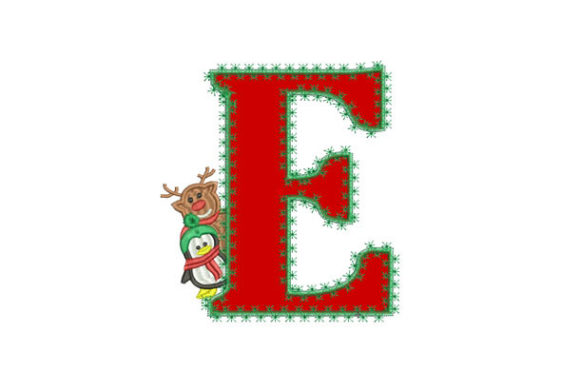
Upon reviewing the concept of Christmas Letter E, the immediate impression is one of understated elegance. The use of the word "delicate" in the product description suggests a design that leans towards a refined, perhaps script-based or lightly decorated serif style, rather than a bold, blocky graphic. For a craft fair product, this is a strategic advantage. While loud, neon designs grab attention from across the room, delicate monograms invite the customer to step closer and inspect the stitch density and thread work. This design feels tailored for the "farmhouse chic" or "modern rustic" aesthetic that dominates current holiday trends. It speaks to buyers looking for personalized, premium touches rather than mass-produced novelty items.
The versatility of a single letter cannot be overstated. In a sea of generic "Merry Christmas" signs, a beautifully embroidered initial offers a sense of ownership and personalization. For an Etsy seller or boutique maker, this allows for customization on the fly or pre-made stock that appeals to anyone with that specific initial. The mood is festive yet sophisticated, making it suitable for both juvenile items like stockings and adult-oriented home decor.
Product Application and Market Fit
When planning my table display, I visualize exactly where Christmas Letter E will shine. The description highlights its suitability for clothes and home decor, which opens a wide array of possibilities for a handmade product lineup.
- Tote Bags and Market Totes: Placing this design on the corner of a canvas tote creates an instant tote bag design that feels bespoke. The delicate nature of the embroidery contrasts beautifully with the rougher texture of canvas, adding a touch of luxury to a utilitarian item.
- Kitchen Linens: This is likely the strongest category for this design. A tea towel embroidery featuring a crisp "E" makes for an excellent hostess gift. Similarly, apron embroidery using this motif transforms a standard kitchen apron into a cherished heirloom piece.
- Home Decor: Pillow covers are a staple at holiday fairs. A centered or corner-placed initial on a velvet or linen pillow cover elevates the perceived value of the finished product.
- Accessories: While the design is described as delicate, it could work well on caps or as an embroidered patch if the stitch count allows for clarity at smaller sizes. Small pouches and zippered bags also serve as perfect vehicles for this type of monogramming.
For online listings, the photogenic quality of a delicate letter is high. It creates clean lines that render well in printable mockup scenarios, allowing digital sellers to showcase the design on various backgrounds without it looking cluttered.
Production Practicality and Batch Efficiency
From a production standpoint, the viability of Christmas Letter E depends heavily on its execution as a digital embroidery file. For a busy craft fair prep week, repeatability is key. A single letter design is inherently fast to stitch, allowing for high-volume batch production. However, the term "delicate" raises flags regarding stitch density. If the design relies on very fine satin stitches or intricate fill patterns, it may require slower machine speeds to maintain quality.
The ease of understanding the design at a glance is a major selling point. Customers do not need to decipher complex imagery; they instantly recognize the personalization potential. This reduces the sales pitch time per customer, allowing for higher throughput at the booth. Furthermore, because it is a focal design rather than an all-over print, it requires less fabric preparation and hooping maneuvering, streamlining the workflow for a small shop product line.
Critical Considerations for Execution
Despite its potential, there are technical hurdles to clear before committing to a full production run. The description does not specify exact parameters, so a prudent designer must investigate the following:
- Fabric Texture Compatibility: Delicate designs can get lost on highly textured fabrics like waffle-weave towels or thick terry cloth. Testing on the intended fabric texture is non-negotiable to ensure the "E" remains legible.
- Thread Contrast: On dark fabrics, a delicate design might vanish if the thread colors do not offer sufficient contrast. A metallic gold or silver thread might enhance the festive feel but requires careful tension adjustments.
- Curved Surfaces: If applying this to caps, the curvature can distort a delicate letter. The design may need to be digitized specifically for caps to prevent puckering or spacing issues.
- Size Limitations: Shrinking a detailed, delicate design too small can result in a muddy cluster of threads. It is vital to confirm the minimum viable size before offering it as a small accent on pouches or patches.
Enhancing Brand Value and Customer Engagement
Incorporating Christmas Letter E into a collection does more than just add a product; it enhances the overall brand perception. It signals to the buyer that the maker pays attention to detail and offers customization. This drives buyer engagement, as customers often stop to ask, "Do you have my letter?" This interaction is the golden ticket at a craft fair, turning a browser into a buyer.
The visual appeal of a well-executed monogram adds a layer of handmade quality that machines alone cannot replicate without human oversight. It reinforces brand consistency if used across multiple product types, creating a cohesive look for the booth display. Whether used as a standalone commercial embroidery item or as part of a larger gift set, this design acts as a versatile asset.
Final Designer Notes and Recommendations
Before listing this as a craft fair product or uploading it as a design asset, I recommend a rigorous testing protocol. Always stitch out the embroidery file on scrap fabric first to check for pull compensation and registration. Verify the required hoop size to ensure it fits your available frames, especially for smaller items like patches. Select the appropriate stabilizer—likely a cut-away for stability on garments or a tear-away for linens—to support the delicate stitches without adding bulk.
Since the provided description cuts off at "This machine emb," critical details regarding file formats, stitch counts, and licensing terms are missing. It is imperative to confirm commercial licensing before selling finished products derived from this design. Ensure you have the rights to sell physical goods if you are not the original digitizer. Additionally, clarify the available sizes to match your intended applications, whether that be a large focal point on a pillow or a subtle accent on a napkin.
In conclusion, Christmas Letter E holds significant promise for the holiday market. Its delicate aesthetic aligns perfectly with current consumer desires for personalized, high-quality home goods. By addressing the technical nuances of fabric choice and stitch density, and by leveraging its strength in personalization, this design can become a cornerstone of a successful holiday sales strategy.