Kitsune Embroidery Review: A Magical Touch for Handmade Goods
As an embroidery designer who spends countless hours digitizing and stitching for clients, I am always on the lookout for design assets that balance whimsical charm with technical reliability. Recently, I came across the Kitsune machine embroidery design on Creative Fabrica, and it immediately caught my eye. The product description hints at the folklore behind these creatures—beings of superior intelligence, long life, and magical powers—and promises a cheerful touch suitable for baby nursery decor. However, as a professional, I needed to look past the cute description and evaluate whether this embroidery file could hold up in real-world commercial applications.
First Impressions: Visual Mood and Stitch Personality
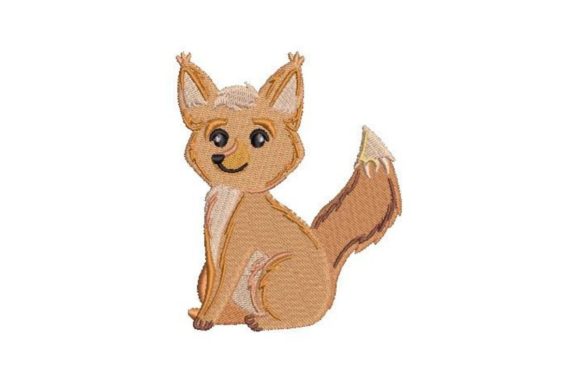
When I first loaded the preview of the Kitsune design, the visual mood was exactly as advertised: lively and enchanting. The silhouette captures the essence of the fox spirit without being overly complex, which is often a sweet spot for versatile use. The design seems to rely on a balanced mix of satin stitch for the outlines and defining features, paired with fill stitch areas to give the body substance and texture. There may also be running stitch elements for finer details, though this depends on the specific digitizing style of the creator.
The "cheerful touch" mentioned in the description translates well to the screen. It feels like a design that belongs in the Wild Animals category but with a stylized, storybook twist rather than a realistic one. This makes it incredibly adaptable. It doesn't scream "children only," which allows it to cross over into lifestyle products for adults who appreciate folklore and nature motifs. The decorative appeal is strong; it has a personality that suggests movement and mischief, perfect for adding character to a plain item.
Real-World Application: From Nursery Decor to Custom Apparel
The true test of any Creative Fabrica embroidery asset is how it performs on actual goods. I mentally ran through several potential projects for the Kitsune design to see where it would shine brightest.
- Baby Items and Nursery Decor: As suggested by the product notes, this design is a natural fit for baby blankets and pillow covers. The soft curves and friendly expression work beautifully on flannel or organic cotton. It creates an instant focal point for a handmade gift that feels personalized and thoughtful.
- Custom Apparel: I can easily envision this stitched onto a sweatshirt or a toddler's tee. For sweatshirt embroidery, the design's scale would need to be checked against the hoop size, but if it fits within a standard 4x4 or 5x7 hoop, it would make a lovely chest emblem.
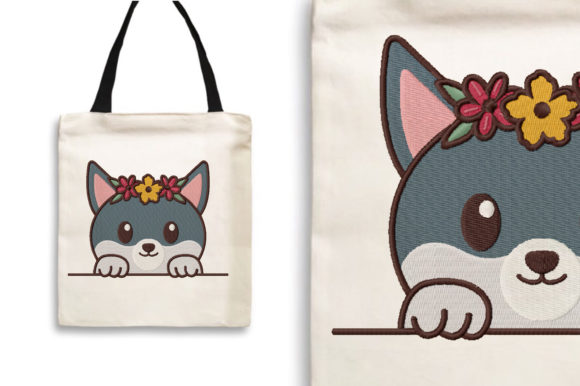
- Tote Bags and Aprons: For a tote bag design, the Kitsune adds a boutique feel. Canvas takes embroidery well, and the magical theme appeals to the demographic that shops at craft fairs or Etsy stores. Similarly, on an apron, it serves as a charming logo or central motif for a home baker or gardener.
- Embroidered Patches: If the stitch density allows, this could be fantastic as a patch. Creating a custom embroidered patch with a mythical creature theme is a high-value item for online sellers.
Technical Considerations for Professional Results
While the aesthetic is promising, practical execution requires caution. Before committing to a customer order, there are several technical factors to verify with the digital embroidery file.
Fabric and Stabilizer Choices: The performance of the Kitsune design will vary significantly based on the substrate. On stretchy fabrics like jersey knits for t-shirts, using the correct cut-away stabilizer is non-negotiable to prevent distortion. For textured fabrics like towels or waffle weave, the smaller details might get lost if the stitch density isn't high enough to bridge the gaps in the fabric weave. Conversely, on dark fabrics, you must check the thread colors recommended in the file. Does the design include an underlay sufficient to prevent the dark fabric from showing through lighter thread colors?
Hoop Size and Placement: One critical step is confirming the required hoop size. If you are planning to embroider this on curved surfaces like caps, you need to ensure the design fits within the constraints of a cap frame and that the column width of the satin stitches isn't too wide for the curve, which can cause puckering. Small hoop sizes often limit the complexity of the fill, so checking the scaling options is vital.
Durability and Washing: Since many of these items, such as baby blankets and kitchen towels, will undergo frequent washing, the integrity of the stitching is paramount. Dense areas need to be inspected for potential thread breaks, and tiny lettering (if included in the variant) should be avoided on items that will be laundered often, as fine details tend to degrade faster.
Enhancing Product Value and Brand Consistency
Incorporating a design like Kitsune into your inventory can significantly affect your product value. Handmade products thrive on uniqueness, and a well-executed mythical animal design tells a story. This narrative enhances buyer trust; customers feel they are purchasing something with soul, not just a generic commodity.
For Etsy sellers and creative entrepreneurs, consistency is key. If your brand focuses on nature, folklore, or whimsical gifts, this design aligns perfectly. It improves your visual appeal in product photography. A printable mockup featuring the Kitsune on a neutral tote bag or a soft onesie can generate high engagement on social media before you even stitch the first thread. It helps potential customers visualize the finished product in their own lives.
Final Verdict and Best Practices
The Kitsune embroidery design offers a delightful blend of folklore charm and practical versatility. It holds great potential for commercial embroidery projects ranging from seasonal handmade gifts to boutique merchandise. However, success lies in the preparation.
Before listing this as a personalized gift option or using it for a large batch of custom apparel, I strongly advise the following steps:
- Test on Scrap Fabric: Always stitch a sample on the exact fabric you intend to sell. This reveals issues with tension, density, or registration that aren't visible on a screen.
- Check Thread Contrast: Ensure your thread palette provides enough contrast, especially if stitching on dark or patterned materials.
- Review Licensing: Visit the Creative Fabrica product page to confirm the license terms. Ensure you are compliant regarding selling finished items versus reselling the digital file itself.
- Inspect Small Details: After stitching, closely examine the eyes, tail tips, and any layered details. These are often the first places where digitizing errors appear.
In conclusion, if you are looking to add a touch of magic to your design assets, the Kitsune is a worthy contender. With proper testing and attention to fabric compatibility, it can become a staple in your portfolio of Wild Animals themed Embroidery works, delighting customers and elevating your handmade brand.