Checkered Deer: A Designer's Review for Holiday Projects
As a designer who spends more time staring at stitch maps than most people spend watching television, I approach every new machine embroidery design with a healthy dose of skepticism. We have all been there: you download a file that looks crisp on the screen, only to find it turns into a bird's nest of thread once it hits the fabric. That is why I was particularly interested in putting the Checkered Deer through its paces. This isn't just about whether it looks cute; it is about whether it holds up under the pressure of a real embroidery project, especially when you are trying to build a reputation for quality in your craft business.
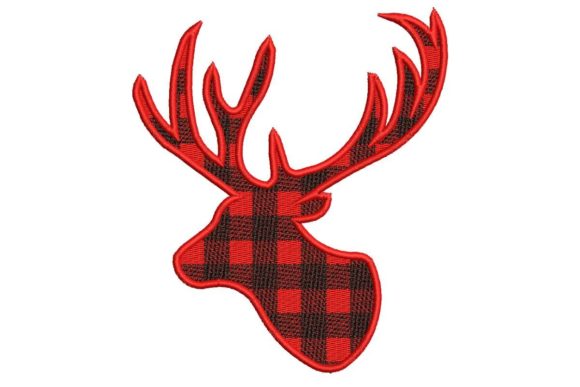
The first thing that strikes me about the Checkered Deer is its visual personality. It manages to walk the fine line between whimsical and elegant, which is a difficult balance to achieve in holiday motifs. The checkered pattern adds a layer of texture that mimics the cozy feel of flannel or wool without actually requiring those specific fabrics. For an Etsy seller or a boutique owner, this visual cue immediately signals "handmade" and "festive" to the customer before they even touch the item. The layout feels open enough to breathe but detailed enough to command attention, making it a strong candidate for center-stage placement on garments or home decor.
Real-World Application: From Screen to Stitch
To truly evaluate this design, I imagined a specific scenario: preparing a run of custom holiday tote bags for a local market. Tote bags are notoriously tricky because canvas has a distinct weave that can interfere with fine details. When visualizing the Checkered Deer on a heavy cotton canvas, the bold lines of the checkered body suggest it would handle the texture well. Unlike designs that rely on tiny running stitch outlines which can get lost in coarse fabric, this design appears to utilize substantial fill stitch areas that would sit proudly on top of the material.
Beyond totes, I can see this working beautifully as sweatshirt embroidery. The trend of oversized, cozy holiday sweaters is still going strong, and placing this deer on the chest or sleeve of a fleece-lined sweatshirt would create an instant bestseller. The design's structure suggests it has the density required to prevent the fabric from puckering, provided you pair it with the right stabilizer. For baby embroidery projects, such as a onesie or a nursery pillow cover, the soft geometry of the checks feels gentle and appropriate, avoiding sharp or aggressive angles that might look out of place in a nursery setting.
Navigating Fabric Challenges and Stitch Density
However, no design is perfect for every situation, and a responsible reviewer must point out where caution is needed. While the description notes that the Checkered Deer is easy to stitch, "easy" is relative to your setup. If you are planning to stitch this on stretchy knits or thin silks, you need to pay close attention to the stitch density. High-density fills can cause lightweight fabrics to gather or warp. In these cases, I would strongly advise using a cut-away stabilizer rather than a tear-away to ensure the finished product maintains its shape after washing.
Another consideration is the color contrast. The checkered effect relies on the interplay of light and dark threads. If you decide to stitch this on a dark fabric using dark thread colors, you risk losing the definition of the checks entirely. Before committing to a production run, test the design in black and white mockups or on scrap fabric that matches your final material. This simple step saves time and prevents wasted thread colors. Additionally, if you are attempting this on curved surfaces like caps, ensure the hoop size you have available can accommodate the design without distorting the brim. Small hoop sizes might require splitting the design, which is rarely ideal for a seamless look.
Commercial Viability and Brand Perception
For those of us selling design assets or finished goods, the perceived value of a product often hinges on the clarity of the embroidery. The Checkered Deer has a professional polish that elevates the perceived value of the base item. A plain apron becomes a premium kitchen gift; a simple pillow cover transforms into a piece of seasonal decor. This ability to upgrade a basic item is crucial for maintaining healthy profit margins in a small shop product lineup.
Customer trust is built on consistency. If you sell a batch of items featuring this deer, and the stitching holds up wash after wash, your clients will return. The design seems robust enough for items that see frequent use, like tea towels or tote bags, assuming the perimeter stitching is secure. However, always verify the licensing terms included with the digital embroidery file. Some designers allow unlimited sales of finished physical goods but restrict the resale of the file itself. Clarifying this before you list your printable mockup or launch your shop is essential to avoid legal headaches down the road.
Final Verdict for the Holiday Season
In the context of Christmas and winter holidays, the Checkered Deer stands out as a versatile asset. It avoids the cliché of overused Santa or snowman motifs while still screaming "holiday spirit." Whether you are creating a personalized gift for a family member or stocking inventory for a craft fair, this design offers a blend of charm and durability. It fits naturally into the category of commercial embroidery where speed and quality must coexist.
My advice? Download the sample if available, or purchase a single license to test on your specific machine. Check how the satin stitch borders interact with your tension settings and ensure your needle is fresh. Treat the Checkered Deer not just as a image, but as a component of your brand's quality promise. With the right fabric pairing and stabilizer choice, this design has the potential to be a staple in your holiday collection, delivering that gorgeous, elegant look promised in its description while standing up to the rigors of real-world use.
Ultimately, great embroidery is about the intersection of art and engineering. The Checkered Deer appears to bridge that gap effectively, offering a design that is as fun to stitch as it is to sell. Just remember to respect the materials you are working with, and let the design do what it does best: bring a touch of rustic elegance to your creations.