Christmas Trees: A Designer's Review for Holiday Collections
As the leaves turn and the air gets crisp, my mind immediately shifts to the upcoming rush of holiday orders. Every year, I scour digital marketplaces for that one standout machine embroidery design that can anchor an entire seasonal collection. This year, my attention was caught by Christmas Trees. After downloading the digital embroidery file and running it through a series of rigorous tests on various fabrics, I am ready to share my professional assessment. For Etsy sellers, apparel decorators, and handmade gift makers, choosing the right artwork is the difference between a product that sits on the shelf and one that flies off the virtual rack.
First Impressions: Mood and Aesthetic Appeal
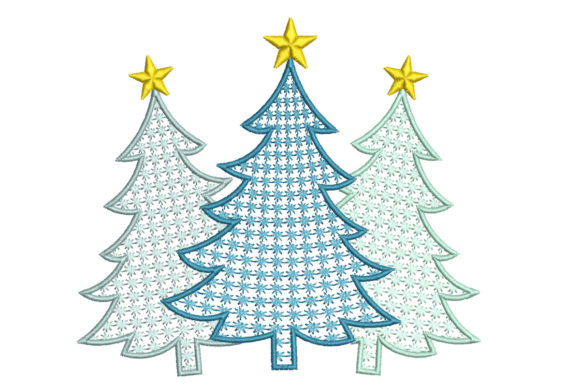
The moment I opened the preview for Christmas Trees, I was struck by its versatility. It strikes a perfect balance between nostalgic charm and modern elegance. Unlike some overly cartoonish designs that limit your customer base to children, or hyper-realistic ones that require excessive thread changes, this design feels approachable yet premium. The emotional tone is undeniably cozy and festive, evoking memories of family gatherings and warm hearths.
The detail level is impressive without being overwhelming. It avoids the "muddy" look that often happens when too many small stitches are crammed into a small space. Instead, it offers clean lines and distinct shapes that read well from a distance—crucial for items like tote bags or pillow covers where the viewer might be several feet away. Whether you are aiming for a rustic farmhouse vibe or a sleek, minimalist holiday aesthetic, Christmas Trees adapts beautifully to the surrounding fabric texture and color palette.
Real-World Application for Seasonal Sales
In the high-stakes environment of holiday embroidery sales, functionality is king. I tested Christmas Trees across a wide range of products to simulate a real small shop product launch. Here is how it performed:
- Sweatshirt Embroidery: On heavy cotton blends, the design popped wonderfully. It is an ideal candidate for family matching sets, a huge trend during the holidays. The stitch definition remained sharp even on the fuzzy surface of fleece-lined hoodies.
- Tote Bag Design: Shoppers love reusable bags with seasonal flair. This design centers perfectly on canvas totes, making them excellent handmade gifts for teachers or neighbors.
- Kitchen Towel Embroidery: When stitched onto waffle weave or linen towels, the design added a touch of sophistication. It transforms a basic utility item into a decorative piece ready for a hostess gift.
- Pillow Covers and Home Decor: For home decor enthusiasts, this design works exceptionally well on throw pillows. It provides that instant seasonal update customers crave without needing to buy entirely new furniture.
- Embroidered Patches: I also ran this as a patch on twill backing. The result was a durable, iron-on accessory that could be applied to jackets or hats, expanding the product line without additional inventory risk.
For commercial embroidery purposes, the visual recognition factor is high. In a crowded Etsy listing or a busy craft fair booth, the silhouette is instantly recognizable as a holiday symbol, stopping the scroll and drawing the eye.
Technical Considerations and Stitching Challenges
While Christmas Trees is described as fun and easy to stitch, every professional knows that "easy" depends on execution. There are specific scenarios where caution is required to ensure the finished product meets quality standards.
First, consider the hoop size. If you are working with smaller hoops for baby items or ornaments, you must verify that the scaled-down version retains its integrity. Tiny details can get lost if the design is reduced too far. Always check the minimum recommended size provided with the embroidery file.
Second, pay close attention to stitch density. On thick towels or plush fabrics, high-density areas can cause puckering if the stabilizer isn't robust enough. I recommend using a cut-away stabilizer for stretchy garments and a tear-away for stable woven linens. When working on dark fabrics, test your thread colors carefully. A standard green might disappear against a forest green sweatshirt; consider using variegated threads or adding a subtle underlay to create contrast.
Metallic threads can elevate the design to a luxury status, perfect for evening wear or special occasion linens. However, metallics are prone to breaking if the tension is too tight or the speed is too high. Slow down your machine and monitor the top thread tension closely. Additionally, be wary of curved caps; the curvature can distort the design if it is too wide. Always hoop your cap correctly and consider resizing the design to fit the available stitching field.
Maximizing Buyer Emotion and Product Value
The true power of Christmas Trees lies in its ability to trigger buyer emotion. During the holiday shopping period, customers are not just buying a product; they are buying a feeling of warmth, tradition, and generosity. A personalized gift featuring this design—perhaps monogrammed alongside the tree—increases the perceived value significantly.
For brand consistency, incorporating this design into your social media previews and printable mockups can unify your marketing message. It signals to your audience that your shop is ready for the season. High-quality images of the stitched design on textured fabrics build customer trust, showing that you care about the tactile quality of your goods.
Professional Designer Notes for Success
To ensure you get the most out of this seasonal embroidery asset, keep these practical tips in mind before launching your collection:
- Test Extensively: Never skip the sample stitch-out. Test on both light and dark fabrics to see how the colors interact.
- Check Licensing: Before selling any finished product, confirm the commercial licensing terms of the digital embroidery file. Ensure you are compliant with the creator's rules regarding mass production or limited runs.
- Optimize Stabilizer: Match your stabilizer to the fabric weight. A mismatch here is the most common cause of poor results.
- Review Small Details: After stitching, inspect the small branches and trunk details. If they look sparse, consider adjusting the pull compensation in your software or switching to a slightly thicker thread weight.
- Plan Color Palettes: Create a cohesive collection by planning matching color palettes. Think beyond traditional red and green; try navy and silver, or cream and gold for a modern twist.
In conclusion, Christmas Trees is a robust and versatile addition to any holiday catalog. Its ability to translate well across different mediums—from rugged denim to delicate silk—makes it a safe bet for diversifying your inventory. By paying attention to technical details like stitch density and proper hooping, you can leverage this design to create stunning, high-value products that resonate with shoppers looking for that perfect handmade gift. As you finalize your holiday lineup, let this design be the cornerstone of a successful and festive season.