Biodegradable Icon: A Review for Eco-Conscious Stitchers
As a designer who spends more time staring at stitch maps than most people care to admit, I approach every new machine embroidery design with a mix of curiosity and skepticism. We have all downloaded files that looked perfect on the screen but turned into a bird's nest of thread breaks and puckering on the fabric. So, when I pulled up the Biodegradable Icon, I wasn't just looking for a pretty picture of leaves; I was looking for a functional asset that could hold up in a real-world embroidery project. This isn't just about making something look green; it's about creating a handmade product that communicates a message of sustainability without compromising on quality.
First Impressions: Simplicity with Purpose
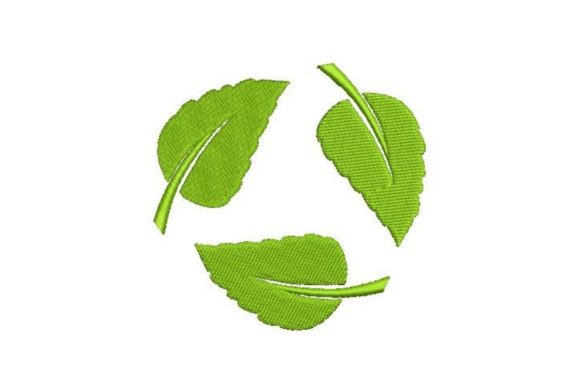
The first thing that strikes you about the Biodegradable Icon is its clarity. In the world of Awareness themed designs, there is often a temptation to overcomplicate the message with too many details or heavy shading. However, this design leans into a classic aesthetic. The layout features three distinct leaves, arranged in a way that feels balanced and organic. It creates an immediate mood of calm and responsibility. Visually, it has a clean personality that suggests it belongs on items meant for daily use rather than just display.
From a technical standpoint, the shape language is promising. The curves appear smooth, which usually indicates a well-digitized satin stitch or a carefully planned fill stitch pattern. For those of us running small shops or selling on Etsy, visual simplicity is key. It ensures that the design remains recognizable even from a distance, whether it's on a hanging banner at a craft fair or a logo on a tote bag carried through a busy street.
Real-World Application: The Tote Bag Test
To truly evaluate this embroidery file, I imagined a specific scenario that many of us face: a custom order for a local zero-waste shop needing branded merchandise. They wanted a run of canvas tote bag design options that felt premium yet earthy. The Biodegradable Icon fits this brief perfectly. Because the design relies on strong outlines and clear shapes, it translates beautifully onto textured fabrics like canvas or heavy cotton twill.
When stitching this onto a tote, the thread colors become critical. While the default preview might show various shades of green, I would recommend testing a monochromatic scheme using different tones of moss or forest green to add depth without clutter. Alternatively, a single bold color against a natural beige fabric creates a striking contrast that highlights the Awareness message. The density of the stitches seems appropriate for medium-weight fabrics, meaning it shouldn't cause excessive stiffness that would make the bag uncomfortable to carry.
Beyond bags, this design is versatile enough for custom apparel. Imagine it placed on the left chest of an organic cotton sweatshirt or as a central feature on a sweatshirt embroidery project for a community cleanup crew. The scale of the three leaves allows it to breathe on larger garments without getting lost, maintaining its impact as a symbol of care for our earth.
Navigating Fabric Challenges and Hoop Limits
While the design is robust, no digital embroidery file is universal without some caution. If you are planning to use the Biodegradable Icon on stretchy fabrics like jersey knits for baby embroidery projects, you must be vigilant. The interplay between the stitch density and the fabric stretch can lead to distortion if not managed correctly. In these cases, using a high-quality cut-away stabilizer is non-negotiable to preserve the integrity of the leaf shapes after washing.
Another consideration is the hoop size. Although the design appears compact, you need to confirm the specific dimensions provided in the file package before committing to a project on small items like caps or infant onesies. Curved surfaces, such as the front panel of a baseball cap, require careful hooping to ensure the leaves don't warp. If the design includes fine details at the tips of the leaves, these areas might struggle on thick terrycloth towels or heavily textured aprons. Always run a test stitch-out on a scrap piece of your actual production fabric. This simple step saves time, thread, and client trust.
Enhancing Brand Value and Customer Trust
In the current market, consumers are increasingly savvy about greenwashing. Using a generic clip-art style image can sometimes detract from the authenticity of a brand. The Biodegradable Icon, however, carries a level of professionalism that elevates the perceived value of the finished product. When a customer sees a cleanly stitched, well-proportioned emblem on a product, it signals that the maker cares about quality. This attention to detail builds brand consistency and fosters customer trust.
For Etsy sellers and creative entrepreneurs, this design serves as more than just decoration; it is a storytelling tool. Whether used in printable mockup images for your online store or as part of a physical small shop product line, the icon helps articulate your brand's values instantly. It works exceptionally well for holiday embroidery gifts, particularly for Earth Day or eco-themed weddings, where the sentiment of the gift is just as important as the utility.
Practical Notes for the Professional Maker
Before integrating this design into your commercial workflow, there are a few housekeeping items to address. First, verify the licensing terms. While the design is intended to inspire recycling, you must confirm whether the license allows for unlimited commercial embroidery sales or if there are restrictions on the number of finished items you can produce. Never assume; always read the fine print included with the download.
Secondly, pay attention to the stitch types used. If the design utilizes a running stitch for outlines, ensure your machine tension is dialed in perfectly to avoid gaps. If it uses dense fill areas, check that your needle is sharp enough to penetrate the layers without breaking. It is also wise to view the design in a black-and-white mockup to ensure the contrast holds up even without color differentiation. This is particularly useful if you plan to offer the design on dark garments where thread choice might be limited.
Finally, consider the longevity of the item. Products that undergo frequent washing, like kitchen towels or gym wear, demand durable stitching. Inspect the connection points between the three leaves; these are potential weak spots if the underlay isn't sufficient. A quick pull-test on your sample can tell you if the design will survive the lifespan of the product.
The Biodegradable Icon is a solid addition to any designer's library of design assets. It balances aesthetic appeal with practical functionality, making it suitable for a wide range of applications from boutique branding to personal gifts. By approaching it with the right preparation and respect for the materials, you can create pieces that not only look good but also stand as a testament to thoughtful, sustainable craftsmanship.