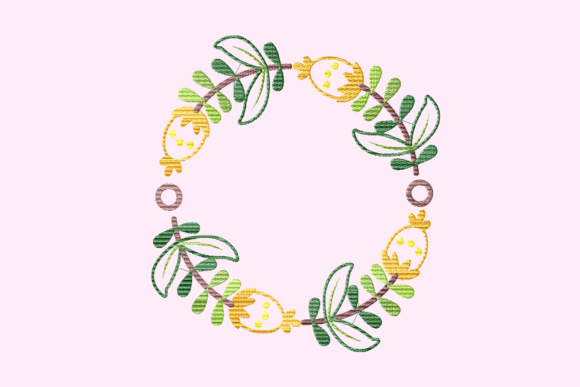
Yellow Pettal Flower Wreath: A Designer's Review
As an embroidery designer who spends countless hours digitizing and testing files for commercial use, I approach every new machine embroidery design with a critical eye. It is not just about whether a pattern looks pretty on a screen; it is about how that digital embroidery file translates into a tangible asset for a small business. Today, I am reviewing the Yellow Pettal Flower Wreath, a floral motif that promises to bridge the gap between vintage charm and modern branding. For boutique owners, café operators, and handmade product creators, finding the right balance between aesthetic appeal and technical durability is paramount. This review evaluates whether this specific wreath can serve as a reliable cornerstone for your brand identity.
First Impressions: Visual Personality and Market Fit
Upon loading the preview of the Yellow Pettal Flower Wreath, the immediate impression is one of warmth and approachability. The description highlights its suitability for both vintage and modern projects, and visually, it delivers on this promise. The yellow palette suggests energy, optimism, and creativity—traits highly desirable for bakeries, florists, and creative studios. Unlike stiff, overly geometric logos, this wreath feels organic and handmade, which is a significant advantage for businesses marketing artisanal goods.
The design exudes a friendly yet professional vibe. It avoids being too childish, which allows it to sit comfortably on high-end custom apparel or sophisticated packaging. For an Etsy seller or a local craft brand, this visual personality helps establish a connection with customers who value authenticity. The "pop of color" mentioned in the product details is crucial; in a sea of monochromatic minimalist logos, a vibrant yellow floral element can significantly boost buyer engagement and shelf presence.
Real-World Business Applications
The true test of any embroidery asset is its versatility across different mediums. The Yellow Pettal Flower Wreath shines particularly well in several key areas of small business merch:
- Embroidered Patches: This is perhaps the strongest use case. A circular wreath translates perfectly into a woven or embroidered patch. Businesses can attach these to denim jackets, canvas backpacks, or include them as a premium add-on with online orders to enhance the unboxing experience.
- Staff Uniforms and Aprons: For cafés and boutiques, staff presentation is part of the product. Placing this wreath on the chest of a work shirt or the bib of an apron embroidery project adds a touch of elegance without overwhelming the uniform. It signals care and attention to detail.
- Cap Embroidery: The curved nature of a wreath complements the front panel of a baseball cap or dad hat. However, the density must be managed carefully to prevent puckering on the structured fabric.
- Tote Bag Design: Canvas tote bags are a staple for retail brands. The yellow petals provide excellent contrast against natural or dark canvas, making the finished product highly visible and marketable.
Beyond apparel, this design works beautifully as a subtle accent on product packaging or as a branded mark on leather goods, provided the stitch count allows for clean execution on thicker materials.
Technical Considerations and Potential Pitfalls
While the aesthetic is strong, a professional designer must address the technical realities of production. The Yellow Pettal Flower Wreath requires careful handling in specific scenarios to ensure quality control.
First, consider stitch density. Floral designs often rely on satin stitches for petals, which can become bulky if the density is too high. On curved surfaces like cap fronts or soft fabrics like jersey knits, excessive density can cause the design to pull or distort over time. It is essential to review the file settings before running a production batch.
Second, size matters. If you intend to use this as a tiny label on a garment hem or a small patch under two inches, the intricate details of the petals may merge. Fine lines in embroidery can disappear if scaled down too far. Always request a test run at your intended minimum size.
Third, fabric texture and color play a huge role. While yellow is vibrant, it can get lost on neon or similarly bright backgrounds. Conversely, on very dark uniforms, you may need to utilize a dense underlay or a white backing stabilizer to ensure the yellow threads do not show the dark fabric beneath, which can mute the color intensity. Textured fabrics like terry cloth or heavy wool also pose challenges for detailed floral outlines.
Impact on Brand Identity and Customer Trust
In the competitive landscape of small business, consistency is key to building customer trust. Using a cohesive design element like the Yellow Pettal Flower Wreath across various touchpoints—from your website's printable mockup images to the actual embroidered patch on a customer's bag—creates a unified visual language. This consistency elevates the perceived value of your products.
A well-executed floral emblem suggests that a brand cares about beauty and detail. It moves the perception of a product from "mass-produced" to "crafted with care." For service-based businesses like salons or pet groomers, this design on a staff polo shirt can make the team appear more welcoming and professional. It acts as a silent ambassador for your brand values, reinforcing recognition every time a customer sees it.
Practical Designer Notes for Production
Before committing to a large order or integrating this into your core design assets, I recommend following these practical steps to ensure success:
- Test in Black and White: Convert your preview to grayscale to check the contrast and definition of the petals without relying on color. This ensures the shape holds up even if thread availability changes.
- Verify Hoop Size: Confirm the required hoop size matches your machine's capabilities, especially if you are using smaller hoop machines for patches.
- Select the Right Stabilizer: Floral designs often benefit from a cut-away stabilizer for long-term durability, especially on items that will be frequently washed, like aprons and uniforms.
- Check Thread Colors: Ensure your specific shade of yellow thread matches your brand guidelines. Machine screens vary, so physical thread matching is non-negotiable.
- Create a Mockup: Always generate a realistic mockup for client approval or internal review before stitching the final run.
- Review Licensing: Since this is for commercial use, confirm the licensing terms of the embroidery file. Ensure you have the rights to use it for resale items or branded merchandise.
Finally, note that specific technical details such as exact stitch counts, supported file formats, or specific hoop dimensions were not explicitly detailed in the base product description. It is vital to obtain the full specification sheet from the vendor before production begins to avoid machine errors or material waste.
Final Verdict
The Yellow Pettal Flower Wreath is a versatile and emotionally resonant design that holds significant potential for small business branding. Its ability to adapt to both rustic and modern aesthetics makes it a valuable addition to any decorator's library. While it demands attention to technical details like density and sizing, the resulting commercial embroidery projects can greatly enhance product value and brand recognition. For businesses looking to add a splash of sunshine and professionalism to their merchandise, this floral wreath is a worthy investment.