Review: The Scandinavian Christmas Heart Design
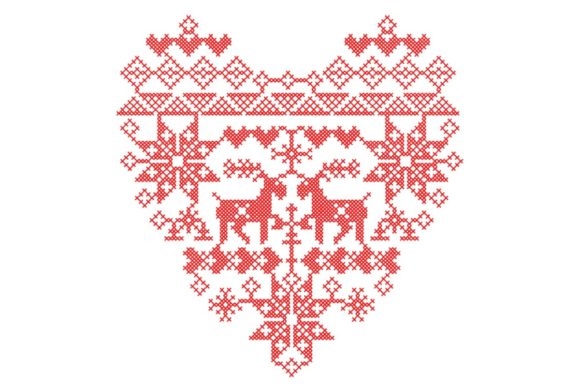
As an embroidery designer who spends countless hours testing files before they ever touch a customer's heirloom fabric, I approach every new machine embroidery design with a critical eye. Recently, I had the opportunity to test the Scandinavian Christmas Heart for a potential lineup of personalized holiday gifts. In the world of handmade goods, first impressions are everything, and this design immediately struck me with its quiet charm. It isn't loud or overly busy; instead, it carries that distinct Nordic aesthetic—clean lines, balanced symmetry, and a timeless elegance that feels both modern and deeply traditional.
The mood of this piece is undeniably sweet yet sophisticated. For those of us running small shops or managing Etsy listings, finding a design that appeals to a broad demographic while maintaining a high-end feel is rare. The Scandinavian Christmas Heart achieves this by avoiding excessive clutter. It feels like a design that belongs in a cozy cabin or a minimalist nursery. When I visualized this stitched onto various substrates, from crisp linen to plush flannel, the emotional appeal was immediate. It speaks to customers looking for meaningful, understated beauty rather than flashy trends.
Versatility in Real-World Applications
The true test of any digital embroidery file is its versatility across different product categories. During my review process, I imagined several specific customer scenarios where this design would shine. For baby embroidery, this heart is perfect. Imagine a soft, neutral-toned receiving blanket or a muslin swaddle featuring this motif. The simplicity of the shape ensures it doesn't overwhelm a small infant garment, making it an ideal choice for custom orders expecting parents crave during the holidays.
Beyond the nursery, the potential for home decor is vast. I could easily see this transforming a simple kitchen towel into a cherished embroidered towel that a hostess would proudly display. For wedding gift ideas, particularly for couples marrying near the winter season, stitching this onto a set of cocktail napkins or a commemorative pillow cover adds a personal touch that mass-produced items simply cannot match. Even for craft fair products, the design works beautifully on tote bags and aprons, offering a seasonal flair that remains stylish enough to be used year after year.
For Etsy sellers and handmade product creators, the visual impact of this design in product photography cannot be overstated. The clean lines photograph exceptionally well against textured backgrounds, creating images that drive buyer engagement. Whether you are creating a printable mockup for your online store or staging a physical sample, the Scandinavian Christmas Heart elevates the perceived value of the finished product.
Technical Considerations and Fabric Pairing
While the design is described as fun and easy to stitch, a professional must always consider the technical nuances before committing to a production run. The description notes that it looks gorgeous on "any fabric," but as experienced makers know, context matters. When working with textured fabric like waffle weave towels or thick terry cloth, one must be mindful of how the stitches settle. Delicate details can sometimes get lost if the fabric pile is too high, so testing on scrap fabric is non-negotiable.
I also considered the challenges of stretchy baby clothes. If you plan to use this for blanket embroidery on knits or stretchy onesies, the choice of stabilizer becomes critical. A cut-away stabilizer might be necessary to prevent distortion over time, especially since these items will undergo frequent washing. Furthermore, when stitching on dark fabric, thread contrast is key. The design relies on its shape, so ensuring your thread colors pop against the background is essential for maintaining that crisp Scandinavian look.
Curved surfaces, such as the corner of a pillow or the pocket of an apron, require careful hooping. Although the design is elegant, placing it too close to a seam or on a highly curved area could cause puckering if the stitch density is high in certain zones. Since exact technical specifications like hoop size and precise stitch counts were not provided in the initial product summary, I strongly advise checking the detailed file information before purchasing. Confirming that the design fits your available hoop and matches your machine's capabilities is a vital step in your workflow.
Building Trust and Commercial Viability
In the business of custom embroidery, trust is built on consistency. Using a reliable design like the Scandinavian Christmas Heart helps establish your reputation for quality. Customers who receive a gift with clean, well-executed stitching are more likely to return for future personalized gift needs. This design supports that goal by offering a look that feels professionally curated rather than hastily assembled.
For those interested in commercial embroidery, understanding the licensing terms is paramount. Before listing items featuring this design for sale, you must confirm the commercial licensing rights associated with the embroidery file. Some designers allow unlimited sales of finished physical goods, while others have restrictions. Never assume; always verify to protect your small shop product line.
Ultimately, the Scandinavian Christmas Heart is a standout choice for the upcoming season. It bridges the gap between festive spirit and everyday elegance. Whether you are creating a wedding gift for a winter bride, a keepsake for a new grandchild, or stocking your holiday inventory, this design offers the reliability and aesthetic appeal that discerning buyers seek. By taking the time to test on various materials and paying attention to the finer points of stabilization and thread selection, you can ensure that every item leaving your studio is nothing short of gorgeous.
As we move deeper into the planning phase for holiday collections, incorporating designs that tell a story is essential. This heart tells a story of warmth, tradition, and thoughtful craftsmanship. It invites the viewer to slow down and appreciate the handmade nature of the item. For the dedicated maker, it provides a canvas to showcase skill without fighting against overly complex elements. It is, in every sense, a designer's dream for creating memorable, high-value goods.