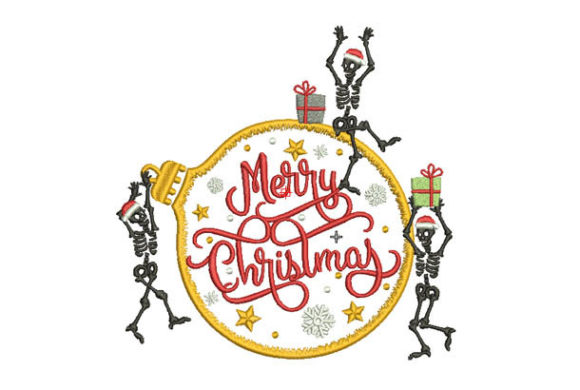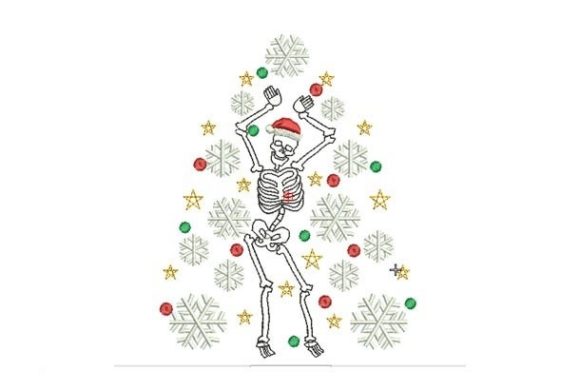
Merry Christmas Skeleton Tree: A Designer's Review
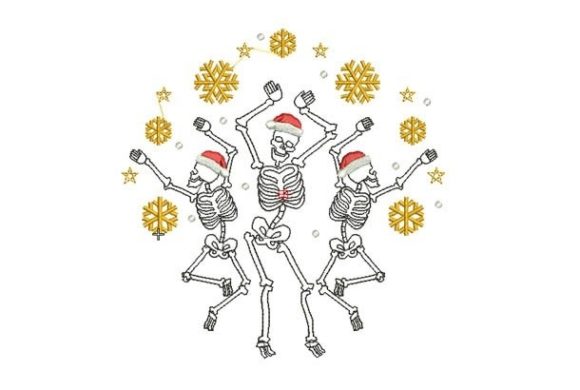
As an embroidery designer preparing for the upcoming weekend craft fair, my table strategy is everything. I need products that stop shoppers in their tracks, items that scream "handmade quality" while offering something slightly different from the standard red and green fare. This year, I am evaluating the Merry Christmas Skeleton Tree to see if it earns a spot on my display rack. The product description promises a "beautiful and funny design," which immediately piques my interest. In a sea of traditional holly and snowflakes, a skeleton tree offers a quirky, modern twist that could appeal to buyers looking for unique holiday decor.
First Impressions and Market Appeal
When I first loaded the digital embroidery file onto my screen, the vibe was instantly clear. This isn't your grandmother's Christmas; it is playful, slightly edgy, and undeniably festive in an alternative way. The concept of a skeleton tree suggests a minimalist yet bold aesthetic. For Etsy sellers and boutique makers, this design bridges the gap between spooky season leftovers and traditional holiday cheer. It feels like a perfect fit for the "farmhouse goth" or modern rustic trends that have been gaining traction in the handmade community.
The description notes it is ideal for decorating clothes and home goods. From a visual standpoint, a skeleton motif relies heavily on line work and negative space. If executed well, this makes it versatile. It doesn't necessarily need to be huge to be recognized, which is a massive plus for small shop products where real estate on a garment is limited. However, the success of this design hinges entirely on the clarity of the stitches. A skeleton made of muddy, indistinct lines will look like a mistake rather than a style choice.
Product Versatility for Craft Fair Booths
In planning my booth layout, I am imagining where the Merry Christmas Skeleton Tree would perform best. Here is how I see it translating across various craft fair products:
- Tote Bags and Market Bags: This is likely the strongest contender. A canvas tote provides a flat, stable surface. Placing the skeleton tree as a large focal design on the front of a natural or black canvas bag creates immediate visual impact. It transforms a basic utility item into a statement tote bag design.
- Aprons and Tea Towels: For the kitchen sector, this design shines as apron embroidery or tea towel embroidery. On a white or cream linen towel, the contrast of the skeleton tree can be striking. It appeals to hosts who want to add a touch of humor to their holiday table settings.
- Embroidered Patches: Because the subject matter is graphic, this design could work beautifully as an embroided patch. Patches are low-cost, high-margin items that allow customers to try the trend without committing to a whole garment. They are easy to batch produce and display in a glass case.
- Caps and Hats: This is trickier. The curved surface of a cap can distort linear designs. If the skeleton tree has long, straight branches, they might warp on a structured cap. It would require careful digitizing to ensure the bones of the tree don't look bent.
- Pillow Covers and Pouches: These make excellent giftable handmade items. A small zippered pouch with this design serves as a perfect stocking stuffer, while a pillow cover adds a decorative element to home decor sections of the booth.
Production Realities and Technical Considerations
Before committing to stitching fifty units for the fair, I have to look at the technical specs. The prompt mentions "delicate design," which often translates to fine details in the machine embroidery design. Delicate does not always mean durable. My primary concern is stitch density. If the skeleton ribs are too thin or the spacing between stitches is too wide, the design may lack definition, especially on textured fabrics like terry cloth towels or waffle weave aprons.
For commercial embroidery purposes, repeatability is key. I need to know if this design runs quickly. Long run times eat into profit margins at craft fairs where labor is already high. Furthermore, I must consider the thread colors. A skeleton tree implies white or bone-colored thread, potentially on dark fabric. High contrast is essential here. If I stitch white on white, the design disappears unless there is significant texture or underlay manipulation. Conversely, stitching on black fabric requires a dense underlay to prevent the dark background from showing through the light threads.
There are specific "careful-use" notes every designer should heed with this type of graphic:
- Fabric Texture: Avoid highly textured fabrics like thick chenille or looped towels unless the design is simplified. Fine details get lost in the pile.
- Small Lettering: If the design includes the words "Merry Christmas" integrated into the branches, verify the legibility. Small text often fills in and becomes unreadable once stitched out.
- Curved Surfaces: As mentioned with caps, ensure the design is tested on curved surfaces. What looks flat on the screen may pucker or distort on a rounded hat.
- Dense Stitch Areas: Check for any areas where the designer might have over-compensated with density. Too many stitches in a small area can cause fabric puckering or thread breakage.
Visual Appeal and Customer Engagement
In a crowded marketplace, the Merry Christmas Skeleton Tree acts as a conversation starter. It breaks the monotony of standard holiday motifs. When a customer sees a funny, slightly irreverent skeleton tree on a finished product, it invites a smile and a comment. This engagement is crucial for closing sales. It signals that my brand understands current trends and isn't afraid to be different.
Photography is another vital component for online listings. This design photographs exceptionally well because of its graphic nature. For printable mockup creation or actual product photography, the high contrast between the skeleton elements and the background fabric creates a sharp image that pops on social media feeds. It enhances the perceived value of the handmade product, making it look professional and thoughtfully curated.
Final Designer Notes and Recommendations
To ensure the Merry Christmas Skeleton Tree succeeds in a real-world setting, I recommend the following workflow before listing it as a design asset or selling finished goods:
- Test on Scrap Fabric: Always stitch a sample on the exact fabric you intend to sell. Thread behaves differently on cotton versus polyester blends.
- Check Stabilizer: Use the right stabilizer for the fabric weight. A cut-away stabilizer might be necessary for stretchy fabrics to maintain the integrity of the skeleton's lines.
- Verify Hoop Size: Confirm the required hoop size fits your machine capabilities. If the design is larger than your standard hoop, you may need to re-digitize or split the design, which can affect alignment.
- Review Licensing: Since this is a purchased file, strictly confirm the commercial licensing terms. Ensure you are allowed to sell unlimited finished products or if there are restrictions on the number of physical items produced.
- Create a Real Mockup: Do not rely solely on digital simulations. Create at least one physical sample to hold, touch, and photograph. This confirms the tactile quality of the stitches.
Ultimately, the Merry Christmas Skeleton Tree has strong potential for the modern craft fair circuit. Its blend of humor and holiday spirit caters to a demographic that appreciates uniqueness. By paying attention to fabric choice, stitch quality, and presentation, this design can become a standout seller in your holiday collection. Just remember, the devil—and the skeleton—is in the details. Ensure your embroidery file is optimized for production, and you will be ready to decorate your booth with confidence.