Kawaii Sewing Machine: A Designer's Review for Boutique Sweatshirts
As an embroidery designer who has spent years digitizing and stitching for small clothing brands, I approach every new machine embroidery design with a critical eye. It is not just about whether the image looks cute on a screen; it is about how that digital embroidery file translates into thread on fabric, especially when the stakes are high for a boutique brand launch. Recently, I evaluated the Kawaii Sewing Machine design for an upcoming limited drop of premium sweatshirts. This review breaks down exactly how this asset performs in a real-world commercial setting, moving beyond basic descriptions to practical application.
First Impressions: Mood and Aesthetic Appeal
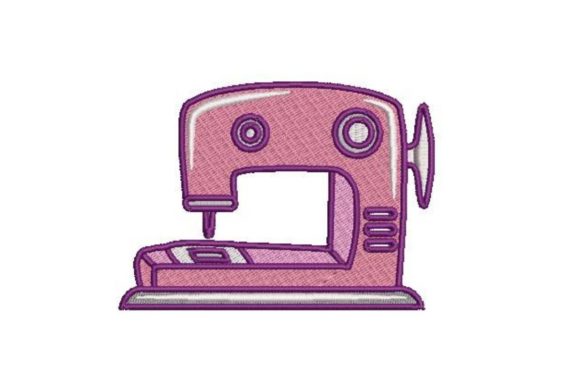
The moment I loaded the Kawaii Sewing Machine into my editing software, the vibe was immediately clear. This is not a rustic or industrial motif; it leans heavily into the playful, feminine, and decorative side of the craft. For a small shop product line targeting crafters and creative entrepreneurs, this aesthetic is gold. The layout suggests a compact, balanced composition that works exceptionally well as a chest logo or a sleeve accent.
In terms of "stitching personality," the design feels soft and inviting. It avoids aggressive, dense fill patterns that can make a garment feel stiff, opting instead for a look that complements the cozy nature of seasonal apparel. When visualizing the finished product, I see this working beautifully on neutral sweatshirts like oatmeal, sage green, or dusty rose. On darker fabrics, such as charcoal or navy, the design would require careful selection of thread colors to ensure the kawaii elements pop without losing their delicate charm. It strikes a perfect balance between casual wearability and a bold statement of passion for the craft.
Application on Premium Sweatshirt Collections
Preparing a limited sweatshirt drop requires thinking about placement and scale. The Kawaii Sewing Machine is versatile enough to serve multiple roles within a single collection. For oversized hoodies, I envision placing this design on the left chest for a subtle branding effect, paired with a larger, text-based graphic on the back. Alternatively, it serves as an excellent sleeve accent, adding that extra touch of detail that justifies a higher price point for a boutique brand.
When considering sweatshirt embroidery, fabric texture is paramount. Sweatshirt fleece has a looped interior and a brushed exterior that can sometimes swallow fine details. However, because this design is rooted in the concept of sewing itself, it resonates deeply with the target audience. It tells a story before the customer even touches the garment. For lifestyle product photography and printable mockup creation, this design offers immediate visual recognition. It signals to the viewer that this is a handmade product or at least a item curated by someone who understands the value of craft.
Technical Considerations for Commercial Use
Transitioning from concept to production brings up several practical designer concerns. While the product description notes that the Kawaii Sewing Machine comes with multiple embroidery file formats, it does not specify exact stitch counts or hoop dimensions. As a professional, I must remind fellow Etsy sellers and apparel decorators to verify these details before hooping. You need to ensure the hoop size fits your machine's capabilities and that the design scales correctly for your intended placement.
Stitch density is another critical factor. If the density is too high for thick sweatshirt fabric, the design may pucker or cause the fabric to tunnel. Conversely, if it is too light, the underlying fabric might show through, ruining the crispness of the kawaii style. My recommendation is to test stitch on a scrap piece of your actual blank garment first. Pay close attention to the stabilizer choice; for heavy fleece or French terry, a cut-away stabilizer is often superior to tear-away to maintain the integrity of the custom apparel after repeated washing.
Small-size readability is also key. If you plan to use this as a tiny tag replacement or a pocket detail, ensure the fine lines of the sewing machine illustration do not merge together. The design needs to feel strong enough for commercial embroidery standards, meaning it must withstand the rigors of daily wear and laundering without significant thread breakage or distortion.
Elevating Brand Identity and Buyer Trust
In the competitive world of online retail, design assets like the Kawaii Sewing Machine do more than decorate; they build brand identity. Using a motif that reflects the very tool of your trade creates an authentic connection with your customers. It shows that you are part of the community, not just selling to it. This authenticity fosters buyer trust and increases customer engagement.
For an Etsy seller, listing images featuring this embroidered design can significantly boost click-through rates. The "kawaii" trend remains popular, and combining it with a sewing theme taps into a niche market of craft lovers who appreciate whimsical yet relevant imagery. When a customer sees this design on a hoodie, they aren't just buying a piece of cloth; they are buying into a lifestyle and a shared passion. This emotional connection can directly affect product value, allowing small business owners to command better margins on their small shop product lines.
Final Verdict for Boutique Owners
The Kawaii Sewing Machine is a delightful addition to any library of embroidery file resources intended for the sewing and crafting niche. Its strength lies in its thematic relevance and its adaptable, playful aesthetic. Whether used for hoodie design concepts, tote bags, or home accessories, it carries a warmth that mass-produced prints often lack.
However, success relies on execution. Do not skip the test stitch. Verify the file compatibility with your specific machine setup, as the description mentions multiple formats but leaves the specifics to the user. Choose your thread colors wisely to match your brand palette, and select a stabilizer that respects the weight of your fabric. If handled with care, this design has the potential to become a signature element of your collection, marking your passion for sewing in a way that is both professional and undeniably cute. It is a lovely way to decorate a nice piece of cloth, turning a standard garment into a cherished piece of wearable art.